General Contractor: Your Preferred Specialist for Residential Projects
A general contractor maintains an indispensable position in home projects. They manage numerous facets of construction, guaranteeing that everything functions smoothly. Their expertise of construction regulations and standards permits them to navigate the complexities of authorizations and reviews. This expert serves as an critical bridge between homeowners and subcontractors. However, many homeowners remain unsure about the full scope of their services. Grasping these points can greatly impact the accomplishment of any home renovation project.
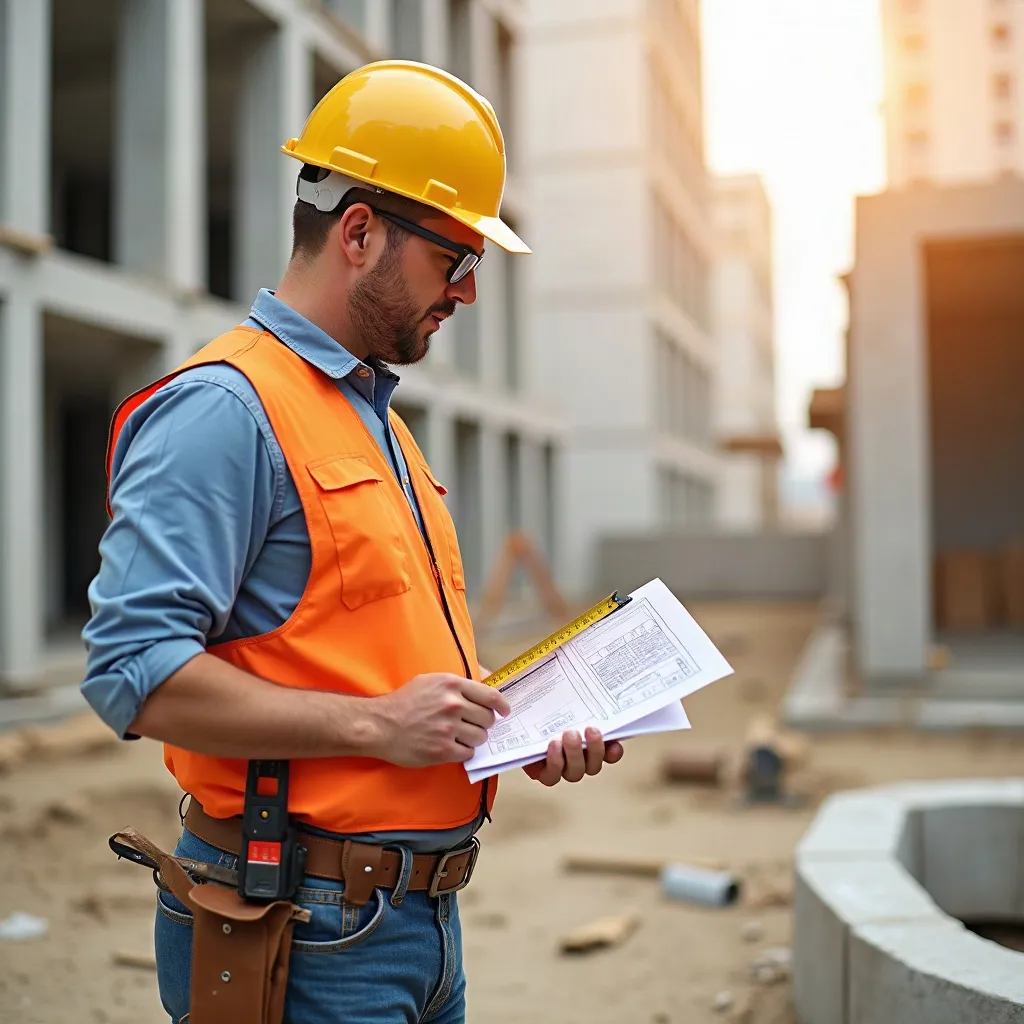
What Is the Role of a General Contractor Handle?
A construction coordinator manages the diverse facets of a construction project, confirming that everything runs smoothly from start to finish. They represent the main point of contact, directing communication between stakeholders, contract workers, and suppliers. This function involves mapping out the project timeline, coordinating labor, and upholding compliance with municipal construction standards and regulations.
General contractors are responsible for obtaining necessary permits and scheduling inspections, which are essential to maintaining safety and quality standards. They also manage budget planning, material procurement, and overseeing site operations to mitigate any potential delays or issues. In addition, they supervise subcontractors, making sure that each phase of construction conforms to project specifications and timelines. Overall, a general contractor's expertise and organizational skills are essential to delivering a successful construction project, transforming a client's vision into reality while managing multiple duties and obligations.
Working with a general contractor for house remodeling delivers multiple perks that can significantly boost the quality and efficiency of the job. General contractors offer expertise in overseeing projects, guaranteeing that timelines are met and resources are allocated efficiently. Their long-standing relationships with subcontractors can produce competitive pricing and outstanding quality, which in turn benefits property owners by saving both time and money.
Moreover, general contractors manage the intricate details of permits and inspections, minimizing possible regulatory problems. They also offer a unified liaison, simplifying dialogue and collaboration among various trades. This optimization decreases the likelihood of find guide misunderstandings and delays.
In addition, their experience enables them to foresee emerging challenges, allowing proactive solutions to maintain the project on track. By hiring a general contractor, homeowners can focus on their vision while savoring peace of mind, knowing that a professional is directing every aspect of the renovation.
Refuting Common Myths About General Contractors
While many property owners may believe false notions about contracting experts, understanding the facts can result in more sound decisions. One common myth is that hiring a general contractor is not required for small projects; nevertheless, their know-how can streamline even minor renovations, guaranteeing observance with local codes. Another widespread belief is that general contractors are merely middlemen, but they frequently have extensive knowledge in several disciplines, enabling them to manage projects efficiently. Additionally, some clients believe that working with a contractor will notably increase costs. In fact, a qualified general contractor can often negotiate better costs for materials and labor due to solid relationships with vendors and subcontractors. Lastly, many consider that general contractors are inflexible, but dependable contractors value client communication and collaborate closely to address unique needs. Dispelled myths can empower clients to capitalize on the genuine value of contractors in achieving successful home projects.
How to Pick the Right General Contractor?
How can homeowners guarantee they select the right general contractor for their jobs? The procedure starts with comprehensive investigation. Property owners should obtain recommendations from friends, family, and online reviews to identify potential candidates. Once a list is created, verifying qualifications, such as licensing, bonding, and insurance, is crucial to verify legitimacy.
Next, homeowners should ask for and examine collections of previous work, concentrating on projects similar in scope. Setting up interviews allows property owners to gauge compatibility, covering timelines, budgets, and expectations. It's also recommended to get several estimates for comparison, providing a clear understanding of costs.
Reviewing references offers understanding of a contractor's reliability and professionalism. Finally, following your intuition is crucial; an opening discussion can expose a contractor's way of communicating and methodology. By adhering to these guidelines, homeowners can substantially improve their likelihood of picking a general contractor who aligns with their objectives and goals.
Best Interaction Approaches Partnering Alongside Your General Contractor
How might homeowners employ approaches to secure effective communication with their general contractor? Establishing open dialogue from the outset is critical. Homeowners must clearly express their needs, project objectives, and financial limits during first discussions. Regular updates can be facilitated through scheduled meetings, confirming that both parties stay synchronized throughout the project.
Documented materials, including email records and project logs, helps reinforce verbal agreements and reduces misunderstandings. Homeowners should also promote open dialogue by soliciting feedback and questions from the contractor, fostering a collaborative environment.
Furthermore, taking advantage of technology, such as project management apps, can ease team dialogue by creating a single platform for conveying updates, timelines, and changes. Finally, practicing respect and openness can strengthen mutual understanding, allowing for it to be more straightforward for the contractor to discuss challenges or suggestions in a meaningful way. By putting into practice these strategies, homeowners can establish a productive and honest relationship with their general contractor.
Things to Understand When Your Initiative Starts?
As the project launches, homeowners can expect a burst of activity on-site. The general contractor will coordinate groups of experienced professionals, such as electricians, plumbers, and carpenters, who will start their tasks following the predetermined schedule. Homeowners may notice heavy machinery and materials being brought in, creating a bustling environment.
Communication remains vital during this stage. The contractor will provide updates on advancement and handle any issues that arise. Homeowners should prepare for possible disruptions, such as sound and limited entry to certain areas of the home.
Safety safeguards will be in place to shield both workers and residents, ensuring a secure atmosphere. Additionally, homeowners may be encouraged to maintain flexibility, as unanticipated challenges can arise, demanding adjustments to the original plan. Overall, this initial phase establishes the foundation for the successful completion of the project, and active involvement is essential.
Basic Questions for Your Overall Contractor Agreement?
Selecting the proper inquiries to pose when concluding a general contractor agreement is vital for guaranteeing a successful project. Homeowners should inquire about the contractor's certification and insurance to establish their credentials and protection against liabilities. Understanding the project timeline and milestones is essential; therefore, asking about estimated completion dates helps manage expectations.
It is also vital to establish payment terms, including initial contributions and payment arrangements, to eliminate misunderstandings. Homeowners should demand a itemized summary of expenditures, covering raw materials and labor, to ensure transparency. Likewise, examining the process for tackling changes or unforeseen issues can forestall tensions going forward.
Finally, homeowners must obtain information regarding the credentials of subcontractors, as well as the communication plan of the contractor throughout the project. By examining these matters, property owners can create a strong partnership with their main contractor, ultimately producing a successful home project.
Common Questions Asked Often
How Do General Contractors Bill for Their Services?
Contractors generally collect fees via flat fees, hourly pricing, or a percentage of the total project cost. Their pricing structure may also include resources, workforce costs, and running costs, contingent on the scope and difficulty of the work.
Can a General Contractor Give Help With Permits and Examinations?
Yes, a construction professional can aid in obtaining permits and conducting inspections oversight. They generally work through local codes and ensure regulatory adherence, simplifying the workflow for homeowners while providing necessary authorizations throughout the construction project.
What Qualifications Should I Locate in a General Contractor?
When identifying a building contractor, one should consider professional standing such as appropriate licensing, proper insurance coverage, experience in relevant projects, strong references, and excellent communication competencies, ensuring they exhibit the requisite proficiency to manage the project in a successful manner.
What is the Duration of a Average Home Renovation Undertaking?
A everyday home renovation work can go anywhere from a few weeks to several months, influenced by the extent, complexity, and size of the project, as well as the stock of materials and labor.
What Happens if My Project Overshoots Budget?
If a project exceeds the budget, the contractor usually talks through the reasons and options with the homeowner. Adjustments may consist of scaling back, obtaining more funds, or modifying the project parameters to align with budget constraints.